
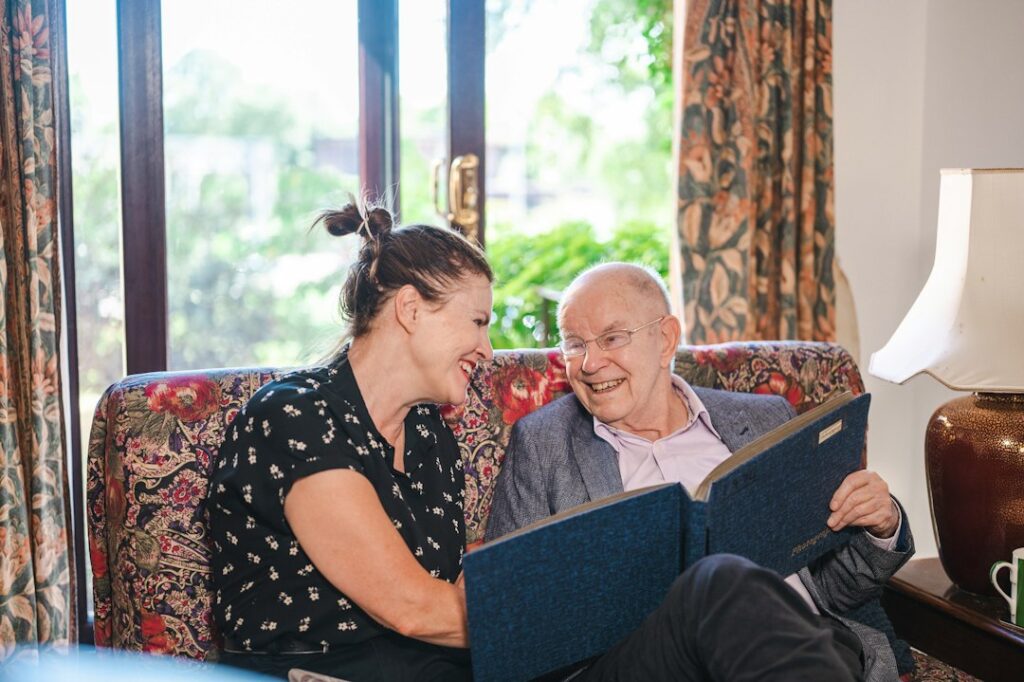
Assisted living is designed to provide support without removing a person’s ability to make everyday choices. For residents in Munhall, PA, that can include decisions about meals, sleep schedules, clothing, activities, visitors, privacy, personal routines, and the level of help received.
Individual preferences are more than personal likes. They can be connected to culture, faith, family traditions, lifelong habits, mobility, health conditions, past work, and a person’s sense of identity. A supportive setting recognizes these details and incorporates them into daily care whenever safety and health allow.
What does person-centered assisted living mean?
Person-centered assisted living means care is organized around the resident rather than using the same routine for everyone. Staff members learn how a person prefers to live, what assistance is needed, and which decisions the resident wants to make independently.
A resident may prefer to:
- Wake up early or sleep later
- Eat meals in a shared dining area or a quieter space
- Shower in the morning instead of the evening
- Attend group activities or spend more time alone
- Receive reminders rather than hands-on assistance
- Keep certain belongings nearby
- Follow religious, cultural, or family traditions
- Maintain regular contact with relatives and friends
These choices should be discussed during the assessment and revisited as needs change. A preference that seems minor, such as the order of a morning routine, may help a resident feel comfortable and in control.
How are individual preferences identified?
Preferences are usually identified through conversations with the resident and, when appropriate, family members or trusted representatives. The discussion may cover daily habits, medical needs, communication style, social interests, food preferences, and personal history.
Useful questions include:
- What does a typical morning look like?
- Which tasks should the resident handle independently?
- What type of help feels respectful and comfortable?
- Are there foods, textures, or mealtimes the resident avoids?
- Does the resident prefer a quiet environment or frequent social interaction?
- Are there religious observances or cultural practices that should be accommodated?
- What activities have meaning beyond simple entertainment?
A resident’s own description should carry the most weight whenever the person can communicate preferences and make decisions. Family members can provide helpful background, but they should not automatically speak for an adult who is able to express personal choices.
Can residents choose their daily routines?
In many assisted living settings, residents can make meaningful choices about their schedules. The available options may depend on staffing, medication timing, dining hours, transportation, and safety requirements, but a daily routine does not have to be identical for every person.
For example, a resident may choose to get dressed before breakfast, while another prefers a slower start. Someone who has always enjoyed evening television may not want to be encouraged to go to bed early simply because it is convenient for a standard schedule.
Flexibility may also matter during winter weather. Cold temperatures, snow, and icy walkways can affect outdoor plans in Munhall. A resident who enjoys fresh air may need indoor alternatives, safe covered walking areas, or a different time of day for outdoor activity. Supporting preferences sometimes means adapting the plan rather than eliminating the activity.
How does assisted living respect food preferences?
Food is closely connected to health, comfort, culture, and independence. Residents should be able to communicate what they like, dislike, cannot eat, or prefer for personal reasons.
Food-related preferences may include:
- Favorite meals or familiar recipes
- Low-sodium, diabetic-friendly, softened, or textured foods
- Religious or cultural dietary practices
- Vegetarian or other eating patterns
- Preferred portion sizes
- Snacks between meals
- Coffee, tea, water, or other familiar beverages
Medical dietary needs may limit certain choices, but restrictions should be explained clearly and handled respectfully. If a resident cannot have a particular food, offering suitable alternatives can preserve a sense of control.
A resident who has spent decades preparing meals may also value involvement in food-related decisions, such as selecting menus, discussing recipes, helping with simple supervised activities, or keeping familiar snacks in a personal space.
How can residents maintain privacy and independence?
Assisted living provides support, but residents generally still need personal privacy and control over their own belongings and space. Respectful care includes knocking before entering, explaining assistance before providing it, and allowing the resident time to respond.
Independence can be supported through small choices, such as:
- Selecting clothing
- Arranging personal furniture and decorations
- Managing a calendar or reminder system
- Choosing where to sit during meals
- Handling simple grooming tasks
- Deciding who may visit
- Keeping personal items organized in a preferred way

A person may need help with a task while still wanting to direct how it is done. Assistance should not automatically replace the resident’s participation. Staff can often break tasks into smaller steps so a resident does as much as safely possible.
What happens if preferences conflict with safety?
Individual choice and safety sometimes pull in different directions. A resident may want to walk independently, keep a small appliance, take a preferred route outdoors, or manage medication without assistance. The appropriate response is usually to examine the risk carefully and look for the least restrictive solution.
Possible adjustments may include:
- Improved lighting
- Mobility equipment
- A supervised time for a preferred activity
- A reminder system
- Changes to room arrangement
- Non-slip footwear
- Additional observation during higher-risk tasks
- A safer substitute that preserves the purpose of the activity
Safety should not be used as a blanket reason to remove every choice. At the same time, a resident’s preferences may need to be adjusted when there is a serious risk of injury, medication error, wandering into unsafe conditions, or harm to another person.
Care plans should explain these decisions in understandable language and be reviewed when circumstances change.
How are cultural, spiritual, and personal values included?
Preferences may involve much more than meals and schedules. A resident may want to observe specific holidays, wear particular clothing, listen to familiar music, pray at certain times, or maintain traditions connected to family and community.
Personal history also matters. A former teacher may enjoy reading with others. Someone who worked outdoors may value gardening activities. A person who prefers small conversations may feel uncomfortable in crowded events but enjoy one-on-one visits.
The goal is not to assign activities based on stereotypes. It is to ask the resident what feels meaningful and provide realistic opportunities to continue those interests.
What should families ask about individual preferences?
Families can ask how a setting handles personal choice before a move and continue asking after the resident settles in. Helpful questions include:
- How are daily routines documented?
- How can a resident request a change?
- What happens when a resident refuses assistance?
- Can residents choose meal alternatives?
- How are quiet time and privacy protected?
- How are cultural, religious, and dietary practices handled?
- How are families informed when preferences or abilities change?
- How often is the care plan reviewed?
Preferences can change after illness, medication changes, reduced mobility, grief, or adjustment to a new environment. Regular conversations help ensure that support remains appropriate rather than relying on an outdated description of the resident.
Individualized care does not mean every request can always be granted. It means the resident is treated as a person with a history, priorities, and right to participate in decisions. In a well-organized assisted living setting, support is adjusted around those preferences as much as practical while maintaining health, dignity, and safety.
