
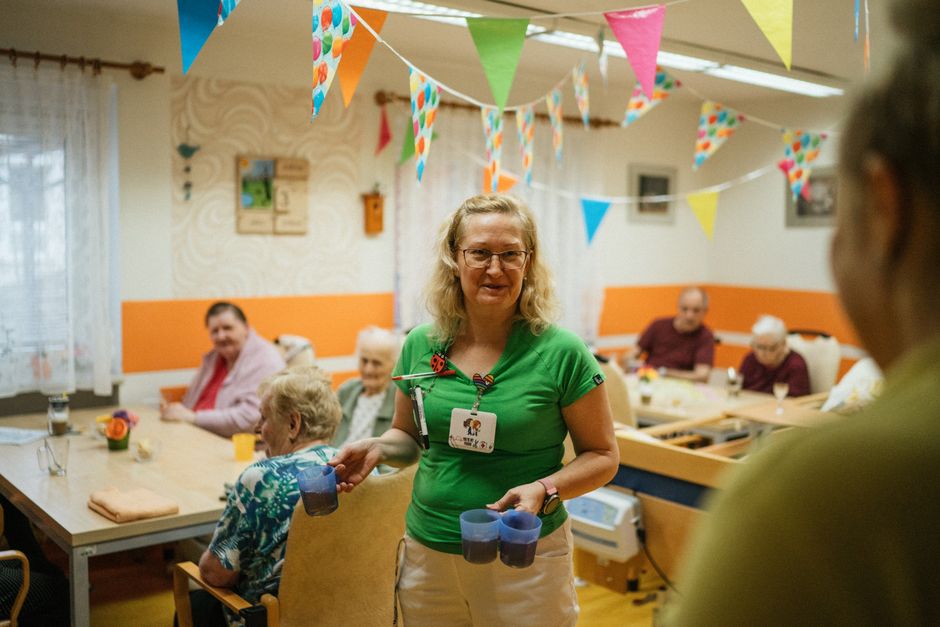
What do dignity and autonomy mean in assisted living?
Dignity means being treated as an adult whose preferences, privacy, history, and values matter. Autonomy means having a meaningful say in daily life, even when assistance is needed with medications, bathing, meals, mobility, or other tasks.
Moving into assisted living does not mean giving up personal identity or control over every decision. A resident may need support while still choosing what to wear, when to get up, how to spend the day, whom to see, what to eat, and how much help to accept.
In practical terms, respectful care asks, “How can this person remain involved?” rather than assuming that staff or family should make every decision.
What choices should residents be able to make?
Residents should generally be included in decisions about their routines, living space, relationships, activities, and services. Pennsylvania assisted living rules recognize rights related to dignity, privacy, personal possessions, communication, visitors, religious practice, and personal choices.
Examples of everyday autonomy include:
- Choosing clothing, hairstyles, and personal-care routines
- Deciding whether to join an activity or spend quiet time alone
- Selecting preferred foods when options are available
- Decorating a living unit with familiar photographs, furniture, or keepsakes
- Receiving visitors and communicating privately
- Practicing a preferred faith or choosing not to participate in religion
- Keeping personal belongings and choosing how they are arranged
- Participating in decisions about services and support needs
Some choices may be limited by health and safety concerns, building policies, or the resident’s assessed needs. Even then, the least restrictive option should be considered. A safety concern should not automatically become a reason to remove all choice.
How can families protect a loved one’s independence?
Families support autonomy best when they remain partners rather than taking over. A relative may be worried about falls, missed medications, poor nutrition, or loneliness, but making every decision can leave the resident feeling powerless.
Before speaking for a loved one, family members can ask:
- “What would you prefer?”
- “Would you like help explaining that?”
- “Do you want me to join this conversation?”
- “What part of this decision matters most to you?”
A resident may make a choice that family members would not make themselves. That does not always mean the choice is unsafe or uninformed. Adults have the right to express preferences and, within appropriate limits, accept ordinary risks.
Family involvement is different when a resident has significant cognitive impairment or is unable to understand a serious decision. In those circumstances, the resident should still be included as much as possible. Simplified explanations, extra time, visual choices, and familiar routines can help preserve participation.
What does person-centered care look like day to day?
Person-centered care begins with knowing the individual beyond a diagnosis or assistance level. Staff should understand a resident’s background, habits, communication style, culture, interests, and dislikes.
A useful support plan may include details such as:
- Whether the person prefers morning or evening showers
- The name or nickname the person wants others to use
- Favorite foods and foods that cause discomfort
- Preferred sleeping and waking times
- The level of privacy desired during personal care
- Important cultural, religious, or family traditions
- Past work, hobbies, military service, caregiving roles, or community involvement
- How the person communicates pain, anxiety, fatigue, or frustration
Small details can have a significant effect. A resident who has always handled personal finances, selected clothing, or prepared coffee may feel diminished if those tasks are taken away without discussion. If a task becomes difficult, partial participation may still be possible.
For example, a resident might choose the outfit even if someone else helps with buttons. Another person might set the table while staff handle heavier items. These arrangements preserve ability instead of focusing only on limitation.
How should privacy and personal boundaries be respected?
Privacy is part of dignity, not an optional courtesy. Staff should knock before entering, explain what they are doing, and avoid discussing personal information where others can hear. Personal care should be provided discreetly, with doors or curtains used appropriately.
Residents should also be able to express preferences about touch, conversation, clothing, bathing, toileting, and visitors. A person who has difficulty speaking may communicate through gestures, writing, facial expressions, assistive devices, or a trusted interpreter.
Privacy also applies to phones, mail, electronic communication, and conversations with family members, medical practitioners, attorneys, or advocates. A resident should not be treated as incapable simply because assistance is needed in another area.
How can assisted living preserve familiar routines?
A move from a private home into assisted living can disrupt ordinary habits. Seasonal conditions in Munhall, including cold weather, snow, rain, and shorter winter daylight, may affect outdoor plans and transportation. Preserving indoor routines can help residents maintain a sense of continuity during periods when leaving the building is less convenient.
Useful routine-based questions include:
- Does the resident prefer breakfast early or later?
- Is there a meaningful daily newspaper, radio program, prayer, or phone call?
- Would the resident rather attend group activities or pursue an individual interest?
- Are there safe ways to continue gardening, cooking, crafts, music, reading, or exercise?
- Does the person need brighter lighting or more time during darker winter mornings?
Familiar objects can also make a living space feel personal. Photographs, a favorite chair, books, a quilt, artwork, or a calendar may help a resident recognize the room as home rather than simply a care setting.
What are common signs that autonomy is being overlooked?
Loss of autonomy may appear in subtle ways. Warning signs include staff or relatives speaking about a resident as if the person is not present, rushing decisions, ignoring stated preferences, or using childlike language.
Other concerns may include:
- Meals, clothing, or activities being selected without asking
- Personal belongings being moved or discarded without permission
- Doors being entered without knocking
- A resident being discouraged from seeing certain people without a clear reason
- Routine changes being made without explanation
- Requests for privacy being dismissed
- A resident being labeled “difficult” for expressing disagreement
- Family members receiving information while the resident is excluded from the conversation
A single misunderstanding can often be corrected through a calm discussion. Repeated disregard, intimidation, retaliation, neglect, or unexplained restrictions deserve closer attention.
What can a resident do if dignity or choice is not respected?
Start by identifying the specific concern. A clear statement is more useful than a general complaint: “Please knock before entering,” “I want to choose my clothing,” or “Explain why this service is being changed.”
The resident may speak with the person involved, a supervisor, a designated representative, or a family member. Written notes can help document dates, names, requested changes, and the response.
Pennsylvania residents also have complaint and advocacy protections. Concerns may be brought to the appropriate state licensing office, a long-term-care ombudsman, or another authorized advocacy resource. Residents should not face punishment or retaliation for raising a good-faith concern.
Promoting dignity does not require eliminating every risk or providing unlimited independence. It requires recognizing the resident as a person with preferences, rights, relationships, and a continuing ability to participate. Good assisted living support adds help where needed while leaving as much decision-making, privacy, and personal identity as possible in the resident’s hands.
